Apr 29, 2026 | Policy Brief
Authors:
Broto Wardoyo – Associate Professor, Head of Department of International Relations, Universitas Indonesia
Ringkasan Eksekutif
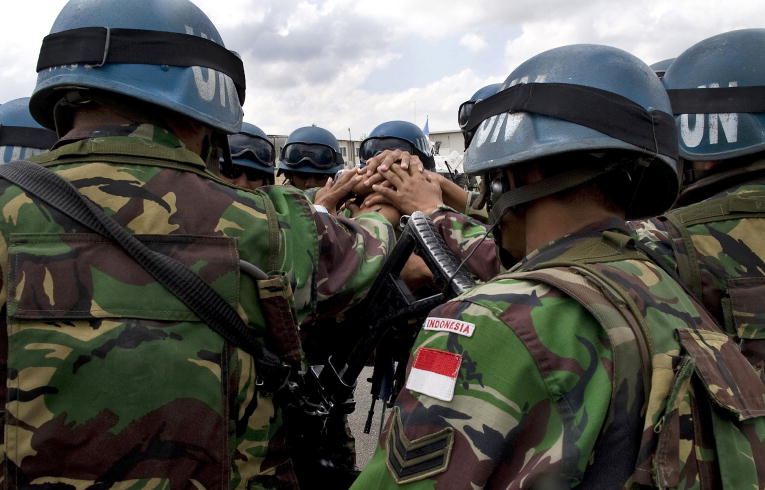
- Insiden gugurnya tiga prajurit TNI dalam misi United Nations Interim Force in Lebanon (UNIFIL) pada Maret 2026 menyoroti perlunya rekalibrasi kebijakan partisipasi Indonesia dalam misi penjaga perdamaian karena mencerminkan kesenjangan antara mandat tradisional PBB dan realitas konflik asimetris yang melibatkan aktor negara dan non-negara.
- Sistem peacekeeping global tengah menghadapi krisis legitimasi dan kapasitas sedangkan perlindungan terhadap peacekeepers masih lemah akibat adanya deterrence gap dalam mekanisme akuntabilitas.
- Policy brief ini merekomendasikan pendekatan bertahap. Dalam jangka pendek perlu ada fokus pada mitigasi risiko melalui penguatan perlindungan pasukan, pembaruan pelatihan, peningkatan akuntabilitas, dan komunikasi publik. Dalam jangka menengah perlu dilakukan rekalibrasi kontribusi menuju pendekatan selektif berbasis risiko serta advokasi penguatan mandat. Dan dalam jangka panjang perlu untuk mempertimbangkan reposisi Indonesia sebagai norm entrepreneur dalam reformasi peacekeeping global, guna meningkatkan keselamatan personel sekaligus memperkuat posisi strategis Indonesia di tingkat internasional.
Apr 27, 2026 | event
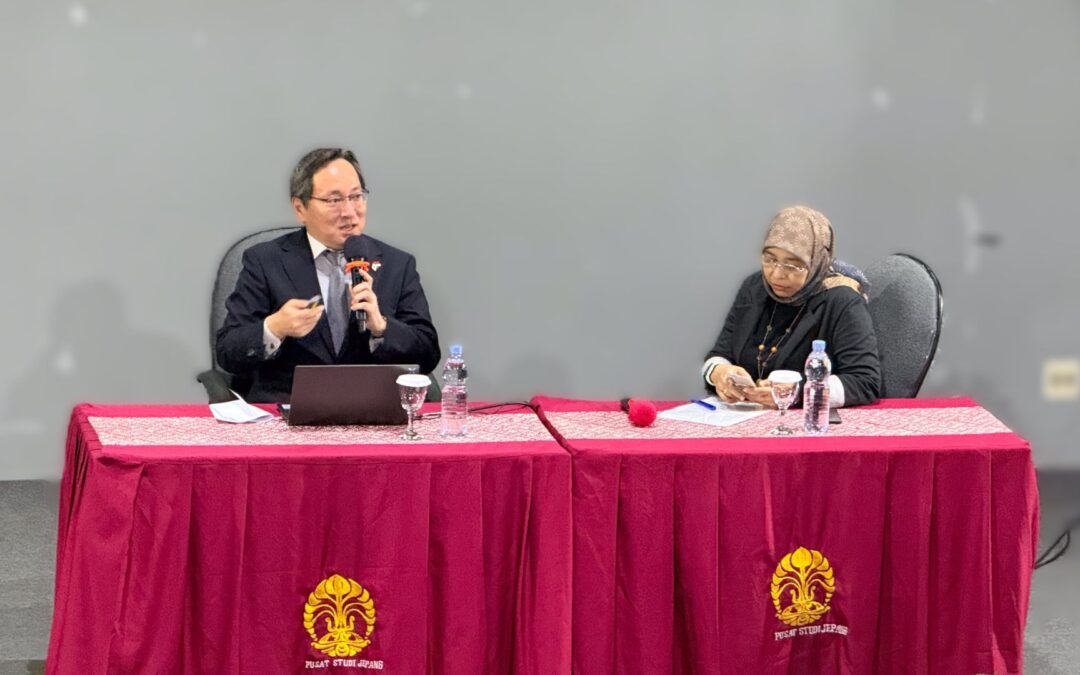
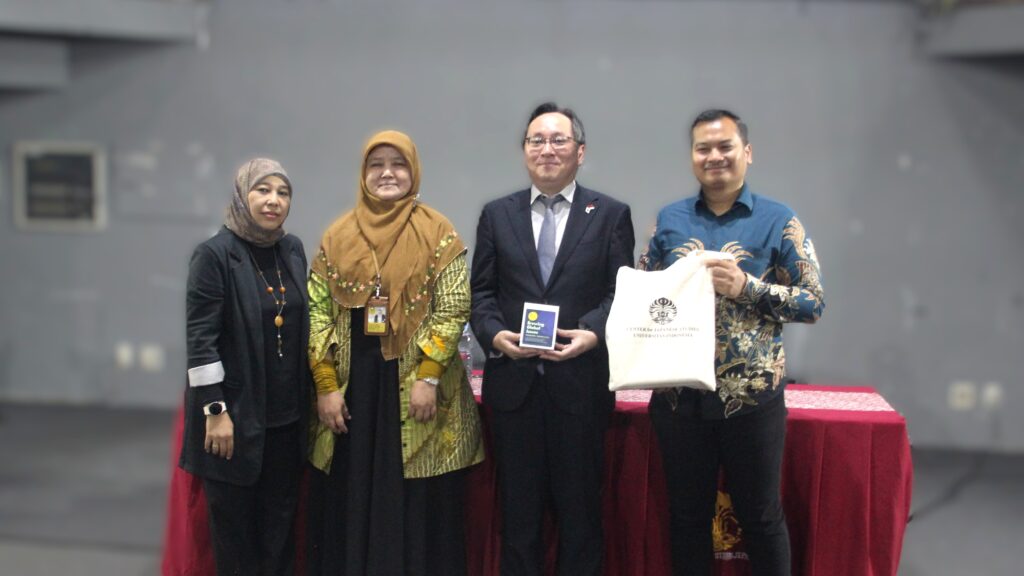
Depok, 27 April 2026 – Pusat Studi Jepang (PSJ) Universitas Indonesia bekerja sama dengan Departemen Hubungan Internasional, Fakultas Ilmu Sosial dan Ilmu Politik Universitas Indonesia menyelenggarakan kuliah umum yang bertajuk Ambassadorial Lecture on Japanese Studies dengan mengundang H.E. Mr. Myochin Mitsuru (Chargé d’Affaires ad interim (Plt. Duta Besar) Kedutaan Jepang untuk Republik Indonesia. Kegiatan yang rutin diselenggarakan setiap tahunnya ini dihadiri oleh civitas akademika dari kedua institusi, mulai dari mahasiswa, dosen, dan pejabat fakultas ini membahas mengenai rekam jejak kemitraan kedua negara yang memiliki signifikansi secara geopolitik, ekonomi, dan kultural. Pada kesempatan ini, Dosen Departemen Hubungan Internasional Asra Virgianita, Ph.D juga menjadi moderator untuk memandu jalannya kuliah tamu.
Peran Jepang bagi Indonesia di Tengah Pasang Surut
Beberapa pengamat menilai bahwa pengaruh Jepang di Indonesia mulai menurun. Namun demikian, Myochin menjelaskan bahwa sejak 1960-an, Jepang merupakan salah satu mitra penting bagi Indonesia pada sektor pembangunan dan perdagangan. Dalam data kumulatif periode 1960–2016, Jepang adalah donor Official Development Assistance (ODA) terbesar untuk Indonesia secara historis, unggul jauh dibanding negara-negara donor lainnya. Selain pembangunan, Jepang juga merupakan mitra dagang terbesar ketiga Indonesia setelah Tiongkok dan Amerika Serikat (AS) pada 2024.
Penguatan Kemitraan Strategis dan People-to-People Relations
Dalam paparannya, Mr. Myochin menegaskan bahwa kemitraan Indonesia–Jepang tetap relevan dan strategis karena ditopang hubungan yang saling melengkapi. Jepang berkontribusi melalui investasi berkualitas tinggi yang mampu menciptakan lapangan kerja, transfer teknologi, serta penguatan industri pendukung nasional, khususnya pada sektor manufaktur dan otomotif. Sementara itu, Indonesia menjadi mitra penting bagi Jepang melalui pasokan energi, mineral strategis, serta posisi geografis yang menentukan rantai pasok kawasan.
Ia juga menyoroti kuatnya hubungan people-to-people antara kedua negara. Jumlah warga negara Indonesia yang bekerja dan belajar di Jepang terus meningkat dalam beberapa tahun terakhir. Budaya populer Jepang seperti anime, manga, kuliner, serta pembelajaran bahasa Jepang telah memiliki tempat tersendiri di tengah masyarakat Indonesia. Kedekatan antar masyarakat ini menjadi pondasi penting yang menjaga hubungan bilateral tetap kokoh di tengah perubahan global.
Indo-Pasifik, Inovasi, dan Prospek Kerja Sama Masa Depan
Pada dimensi kawasan, Mr. Myochin menekankan pentingnya Indo-Pasifik sebagai ruang strategis baru. Jepang melalui Free and Open Indo-Pacific (FOIP) dan Indonesia melalui ASEAN Outlook on the Indo-Pacific (AOIP) dipandang memiliki visi yang sejalan, yakni mendorong kawasan yang terbuka, inklusif, terkoneksi, dan menghormati hukum internasional. Indonesia dinilai memiliki posisi sentral karena berada di persimpangan Samudra Hindia dan Pasifik, sekaligus menguasai jalur-jalur laut vital seperti Selat Malaka dan Selat Lombok.
Kuliah umum ini juga menyoroti pentingnya kerja sama ilmu pengetahuan dan inovasi. Salah satu contoh yang disampaikan adalah kolaborasi riset Jepang dengan mitra di Indonesia untuk pengembangan teknologi distribusi gas portabel yang berpotensi membantu wilayah kepulauan dan daerah terpencil. Hal tersebut menunjukkan bahwa kemitraan kedua negara tidak hanya berhenti pada diplomasi tingkat tinggi, tetapi juga menghasilkan manfaat nyata bagi masyarakat.

Menutup kegiatan, para penyelenggara menyampaikan apresiasi atas kontribusi Kedutaan Besar Jepang serta antusiasme peserta yang hadir secara luring maupun daring. Melalui penyelenggaraan Ambassadorial Lecture on Japanese Studies edisi ke-14 ini, Universitas Indonesia menegaskan komitmennya untuk terus menjadi ruang dialog akademik yang memperkuat hubungan Indonesia–Jepang, sekaligus mendorong lahirnya gagasan baru bagi kerja sama bilateral di masa depan.
Apr 21, 2026 | event
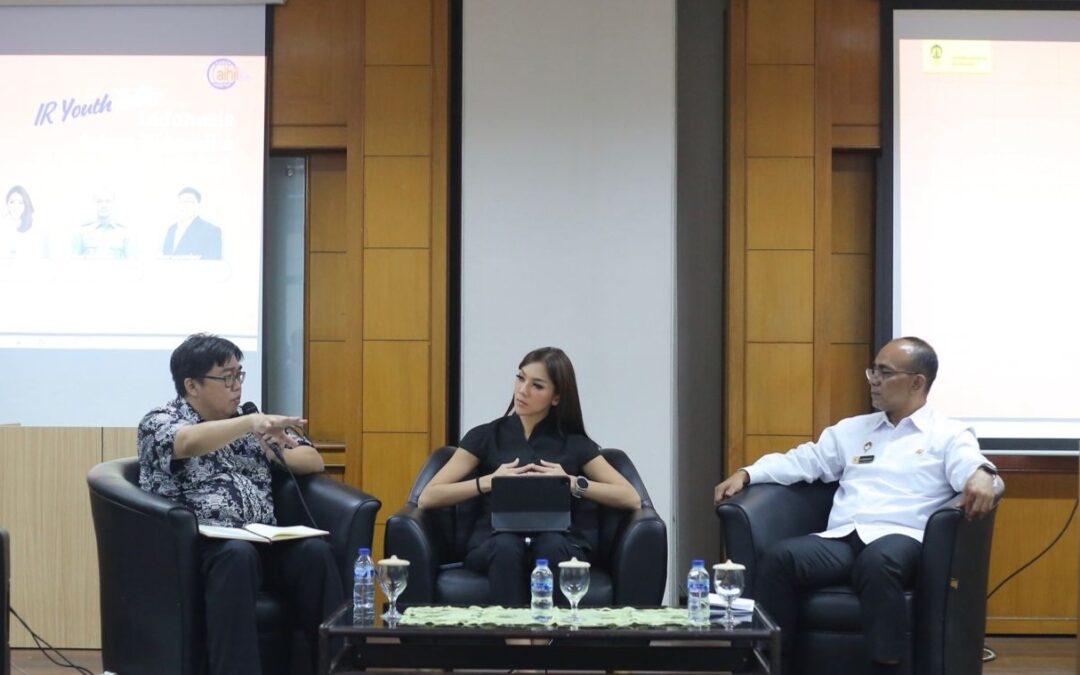
Depok, 21 April 2026 — Kegiatan IR Youth Talks yang diselenggarakan di Auditorium Suwantji, Fakultas Ilmu Sosial dan Ilmu Politik Universitas Indonesia, menghadirkan diskusi akademik mengenai dinamika geopolitik global dan implikasinya bagi Indonesia. Acara ini merupakan serial diskusi yang diselenggarakan oleh Asosiasi Ilmu Hubungan Internasional Indonesia (AIHII) Chapter Jabodetabek dengan Departemen Ilmu Hubungan Internasional FISIP UI menjadi tuan rumah seri pertama. Diskusi ini menghadirkan Brigjen TNI Aloysius Nugroho Santoso, Direktur Kajian Ideologi dan Politik, Lembaga Ketahanan Nasional (Lemhannas) RI dan Broto Wardoyo, Ketua Departemen Ilmu Hubungan Internasional FISIP UI, serta dimoderatori oleh Anggy Pasaribu.


Dalam paparannya, Brigjen Aloysius menekankan bahwa dinamika geopolitik global memiliki keterkaitan erat dengan perubahan domestik di Indonesia. Dia menjelaskan bahwa berbagai peristiwa global, mulai dari krisis finansial Asia 1997 hingga pandemi COVID-19, menunjukkan bagaimana guncangan eksternal dapat memengaruhi stabilitas politik dan ekonomi nasional. Dalam konteks kontemporer, meningkatnya kompetisi negara besar dan konflik global turut mendorong fragmentasi ekonomi dan politik yang berdampak langsung pada ruang kebijakan nasional. Lebih lanjut, dia menyoroti posisi Indonesia sebagai “swing state” di tengah kompetisi global. Dengan modalitas strategis yang dimiliki, Indonesia memiliki peluang untuk memainkan peran penting dalam menjaga keseimbangan kawasan. Namun, posisi tersebut juga diiringi oleh kerentanan geostrategis sehingga diperlukan penguatan ketahanan nasional melalui pendekatan komprehensif yang mencakup aspek ideologi, politik, ekonomi, sosial, dan pertahanan keamanan.
Sementara itu, Broto Wardoyo mengajak peserta untuk memahami dinamika global sebagai sistem yang kompleks dan saling terhubung. Dia menekankan bahwa dunia saat ini ditandai oleh transisi kekuatan global, fragmentasi, serta meningkatnya risiko konflik antarnegara. Dalam situasi tersebut, pemahaman terhadap risiko perlu dilakukan secara berlapis, mulai dari level global, regional, hingga nasional, guna merumuskan respons kebijakan yang adaptif. Dia juga memperkenalkan konsep “resilience-based hedging” sebagai pendekatan strategis bagi Indonesia dalam menghadapi ketidakpastian global. Strategi ini menggabungkan fleksibilitas dalam hubungan eksternal dengan penguatan kapasitas domestik sehingga negara tidak hanya mampu mengelola pilihan strategis, tetapi juga memiliki ketahanan terhadap dampak krisis global.
Diskusi ini berlangsung interaktif dengan partisipasi aktif dari peserta, yang terdiri dari mahasiswa dan dosen di Departemen Ilmu Hubungan Internasional FISIP UI dan kampus-kampus anggota AIHII Chapter Jabodetabek lain. Kegiatan ini menegaskan pentingnya ruang dialog akademik dalam memperkuat pemahaman generasi muda terhadap dinamika geopolitik serta mendorong kontribusi mereka dalam merespons tantangan global secara kritis dan berbasis pengetahuan.
Apr 7, 2026 | event
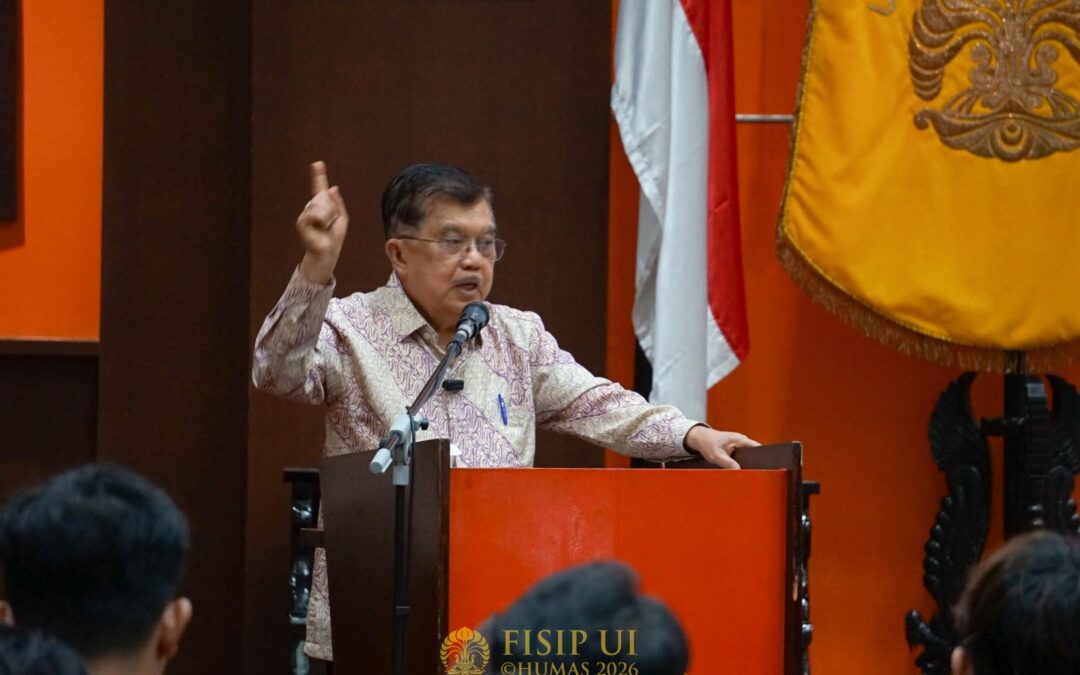
Depok, 7 April 2026 – Departemen Ilmu Hubungan Internasional, Fakultas Ilmu Sosial dan Ilmu Politik Universitas Indonesia (FISIP UI) menyelenggarakan kegiatan Studium Generale bertajuk “Peran dan Tantangan Civil Society dalam Humanitarian Activities” yang menghadirkan Bapak Muhammad Jusuf Kalla, Wakil Presiden Republik Indonesia periode 2004–2009 dan 2014–2019.
Kegiatan yang berlangsung di Auditorium Juwono Sudarsono, FISIP UI ini dihadiri oleh mahasiswa, akademisi, serta civitas akademika yang antusias mengikuti diskusi mengenai dinamika peran masyarakat sipil dalam merespons krisis kemanusiaan global.
Dalam pemaparannya, Jusuf Kalla menekankan bahwa civil society memiliki peran strategis sebagai aktor yang mampu bergerak cepat dan fleksibel dalam situasi krisis, terutama ketika mekanisme formal negara menghadapi keterbatasan. Organisasi masyarakat sipil dinilai mampu menjembatani kebutuhan kemanusiaan di lapangan dengan pendekatan yang lebih responsif dan kontekstual.
Namun demikian, beliau juga menyoroti berbagai tantangan yang dihadapi, mulai dari keterbatasan akses di wilayah konflik, koordinasi antar aktor, hingga dinamika politik yang seringkali mempengaruhi efektivitas bantuan kemanusiaan. Dalam konteks ini, kolaborasi antara negara dan masyarakat sipil menjadi kunci untuk memastikan keberlanjutan dan dampak nyata dari aktivitas kemanusiaan.
Selain membahas peran civil society, kuliah umum ini juga mengangkat perkembangan konflik di Timur Tengah sebagai salah satu isu kemanusiaan global yang kompleks. Dalam diskusi tersebut, ditekankan bahwa situasi konflik yang berkepanjangan tidak hanya membutuhkan bantuan kemanusiaan, tetapi juga upaya diplomasi yang konsisten dan konstruktif.
Dalam hal ini, Indonesia dipandang memiliki posisi strategis melalui prinsip politik luar negeri bebas dan aktif, yang memungkinkan Indonesia untuk berperan sebagai mediator dalam mendorong penyelesaian konflik secara damai. Peran ini menjadi semakin penting di tengah meningkatnya kebutuhan akan aktor-aktor yang mampu membangun dialog dan kepercayaan di tingkat internasional.
Kegiatan Studium Generale ini menjadi ruang refleksi akademik yang penting bagi mahasiswa untuk memahami keterkaitan antara isu kemanusiaan, peran masyarakat sipil, dan diplomasi internasional. Diskusi ini juga menegaskan bahwa tantangan global saat ini membutuhkan pendekatan yang kolaboratif, melibatkan negara, masyarakat sipil, serta komunitas internasional secara bersama-sama.
Melalui kegiatan ini, Departemen Ilmu Hubungan Internasional FISIP UI terus berkomitmen untuk menghadirkan forum akademik yang relevan dan kontekstual dalam merespons dinamika global, sekaligus mendorong kontribusi aktif mahasiswa dalam isu-isu kemanusiaan dan perdamaian dunia.
Apr 2, 2026 | event
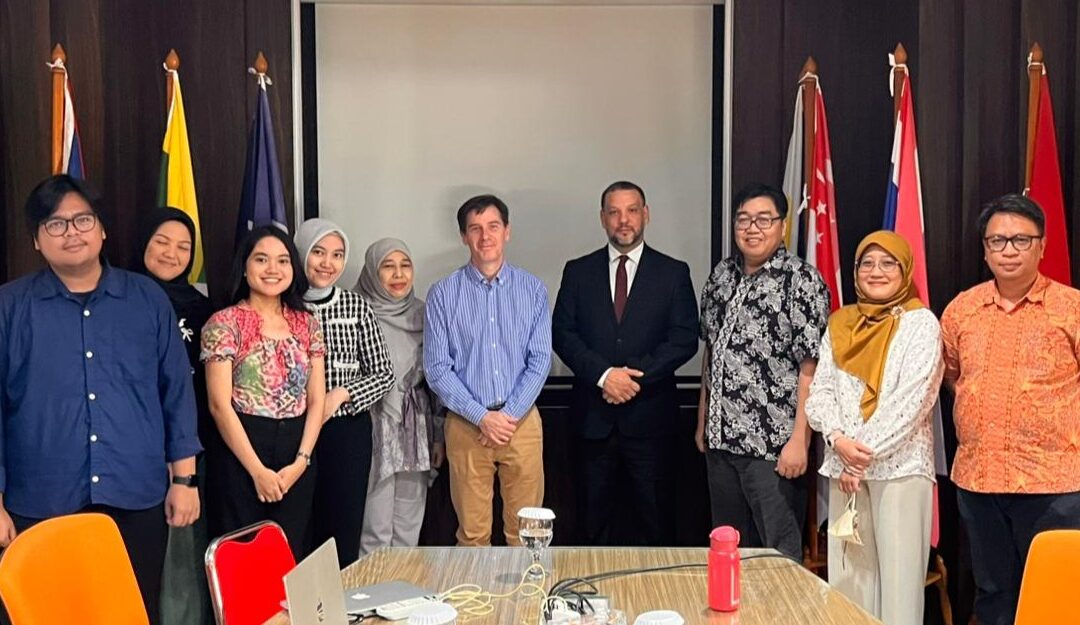
Depok, 31 Maret 2026 – Departemen Ilmu Hubungan Internasional, Fakultas Ilmu Sosial dan Ilmu Politik, Universitas Indonesia menyambut kunjungan Perwakilan Uruguay Dr. Ignacio Bartesaghi (Universidad Católica del Uruguay Business School) dan Matteo Da Costa (Perwakilan Kedutaan Besar Uruguay di Indonesia).
Upaya Mengenal Lebih Jauh Uruguay dan Kawasan Amerika Selatan
Dalam pertemuan tersebut, Dr. Ignacio menyampaikan bahwa baik Uruguay maupun Indonesia masih belum memiliki hubungan yang kuat baik di level kerja sama diplomatik, maupun kerja sama di level akademik. Dr. Ignacio menjelaskan bahwa kerja sama dengan negara dan kawasan baru menjadi kekuatan untuk menavigasi multipolaritas dan merespons isu-isu kontemporer. Untuk itu, upaya untuk memperdalam hubungan dalam menjajaki peluang kerja sama baru antara Indonesia dan Uruguay menjadi suatu hal yang diperlukan terutama di tengah dinamika global yang semakin menuntut kemampuan beradaptasi.
Kerja Sama di bidang akademik
Meskipun kajian Amerika bukanlah hal yang baru di Indonesia, kajian mengenai Amerika Latin belum menjadi fokus yang diteliti oleh banyak akademisi di Indonesia. Proyek-proyek penelitian mengenai Amerika Latin secara independen sebenarnya telah dilakukan oleh beberapa pengajar di HI UI, di antaranya kajian mengenai integrasi ekonomi kawasan Amerika Latin dan kebijakan luar negeri Amerika Serikat (AS) terhadap Amerika Latin. Namun demikian, studi Amerika di Indonesia dapat dikatakan masih cukup bertumpu pada kajian AS dan mengesampingkan studi mengenai Amerika Latin. Dr Ignacio melihat hal ini sebagai pintu masuk yang potensial untuk menjajaki kerjasama akademik lanjutan, baik berupa penelitian maupun pertukaran pelajar.
Ekspansi Kerja sama di Level Diplomatik
Dr. Ignacio menjelaskan bahwa posisi Indonesia sebagai salah satu negara dengan penduduk terbanyak di dunia menjadi modal besar untuk memperluas cakupan kerja sama antara Indonesia dan Uruguay (sekaligus negara-negara Amerika Latin secara luas). Selama ini, fokus kerja sama kedua negara masih bergantung pada kerja sama perdagangan. Dr. Ignacio berpendapat bahwa akselerasi kerja sama akan menguntungkan kedua negara di tengah ambisi Uruguay untuk memperluas pasar dan mitra kerja sama mereka. Di sisi lain, Indonesia mendapatkan sumber baru ekspor bahan-bahan pangan dan pertanian. Selain di level bilateral, bentuk kerja sama lain yang juga potensial adalah kerja sama di level kawasan antara negara-negara ASEAN dan negara yang tergabung dalam Mercado Común del Sur (MERCOSUR) ataupun Community of Latin American and Caribbean States (CELAC). Mengingat kedua kawasan belum memiliki kerangka kerja sama yang komprehensif, kerja sama di level kawasan ini juga menjadi langkah politis yang strategis di tengah munculnya kerja sama transatlantik, seperti Comprehensive and Progressive Agreement for Trans-Pacific Partnership (CPTPP).
Menuju Implementasi Konkret
Menutup kunjungannya, Dr. Ignacio mengusulkan beberapa tindak lanjut yang dapat segera diimplementasikan dalam waktu dekat. Yang pertama, mendorong komunikasi dan dialog antarcivitas akademika pengkaji Studi Amerika dan merumuskan beberapa topik kerja sama penelitian. Yang kedua, mengundang pihak Kedutaan Uruguay untuk dapat memberikan materi dalam bentuk kuliah umum sekaligus mengadakan diskusi lebih lanjut.