Latin America or Africa? Explaining Indonesia’s Selective Trade Deepening

Latin America or Africa? Explaining Indonesia’s Selective Trade Deepening

Vol. VII / No. 3 | February 2026

Authors:

Rachmasari Nur Al-Husin –Doctoral Student and Junior Fellow at Global South Solidarity, Department of International Relations, Universitas Indonesia


Summary

Indonesia has prioritised trade diversification toward non-traditional partners within the framework of South–South cooperation. However, its trade diplomacy toward Latin America and Africa has developed unevenly. While comprehensive economic partnership agreements (CEPAs) have been concluded with Latin American partners, engagement with Africa remains largely confined to preferential trade agreements (PTAs), despite Africa’s stronger commodity complementarity and economic stability. This article argues that the divergence is driven less by economic fundamentals than by institutional comfort, political signalling, and policy learning effects. Latin America has served as a lower-risk environment for comprehensive trade engagement, while Africa remains primarily framed through development cooperation, limiting deeper trade integration. The article highlights the need to recalibrate Indonesia’s trade diplomacy toward Africa to achieve more coherent South-South engagement.

Keywords: Trade diplomacy, South-South cooperation, Non-traditional markets


Introduction

Indonesia’s foreign economic policy has increasingly emphasised diversifying trade partners beyond traditional markets in East Asia, Europe, and North America. Within this agenda, Latin America and Africa are often grouped as non-traditional partners under the broader banner of South–South cooperation. Both regions are frequently described as “untapped markets,” each accounting for less than five per cent of Indonesia’s total exports (Sabaruddin, 2016). However, Indonesia’s trade diplomacy toward these two regions has evolved along sharply different trajectories.

While Indonesia has concluded and expanded comprehensive economic partnership agreements (CEPAs) with Latin American partners, most notably Chile, Peru, and MERCOSUR, its engagement with Africa remains largely confined to preferential trade agreements (PTAs) (Kementerian Perdagangan Republik Indonesia, 2025). This divergence is puzzling. Africa offers stronger commodity complementarity with Indonesia, a growing consumer base, and comparatively stable post-pandemic economic growth. Latin America, by contrast, shares structural similarities with Indonesia’s export profile, often resulting in competitive rather than complementary trade relations.

This commentary argues that economic fundamentals do not primarily drive Indonesia’s deeper trade engagement with Latin America. Instead, it reflects a combination of institutional comfort, political signalling, and policy-learning effects that shape how Indonesia translates opportunities into binding trade commitments.


Economic Potential vs Policy Reality

From an economic standpoint, Africa appears to be the more promising partner for Indonesia’s trade expansion. Indonesia’s export structure, dominated by vegetable oils, paper products, light manufacturing, automotive components, and basic consumer goods, aligns closely with African import demand (UN Comtrade, 2025). Trade relations with Africa have also demonstrated relative resilience during periods of global economic disruption. During the COVID-19 pandemic (2020-2021), while Indonesia’s exports to several Latin American markets contracted sharply due to supply-chain disruptions and commodity price volatility, exports to key African partners such as South Africa, Egypt, and Nigeria rebounded more quickly in 2021, supported by sustained demand for palm oil, pharmaceuticals, and consumer goods (UN Comtrade, 2025). Similarly, during the post-pandemic commodity price correction in 2022–2023, Indonesia maintained trade surpluses with several African partners, indicating relatively stable demand structures compared to more volatile Latin American markets.

Latin America presents a different economic profile. Many Latin American economies, like Indonesia, remain heavily reliant on primary commodities and resource-based exports. This structural similarity limits broad-based complementarity and confines trade to specific niches such as footwear, electronics, and selected manufactured goods (Ramana & Retnosari, 2018). As a result, Indonesia’s export portfolio in Latin America does not fully reflect its overall comparative advantages.

Macroeconomic indicators further underscore this contrast. Although Latin America’s aggregate nominal Gross Domestic Product (GDP) remains larger, African economies have displayed more stable real GDP growth and, in recent years, higher purchasing power parity (PPP) levels (International Monetary Fund, 2025). These trends suggest that Africa offers not only market potential but also greater resilience to external shocks.

Despite these indicators, economic potential has not translated into policy depth. Indonesia’s trade agreements with Africa remain limited in scope, while Latin America has become the focal point for comprehensive frameworks. This disconnect points to factors beyond economic rationality shaping Indonesia’s trade diplomacy.


Institutional Comfort and Policy Learning in Latin America

Indonesia’s deeper engagement with Latin America is best understood through the lens of institutional familiarity and policy learning. The Indonesia-Chile Comprehensive Economic Partnership Agreement (IC-CEPA), formally signed in December 2017 and entering into force in August 2019, initially focused on trade in goods and was later expanded to include services and investment chapters. Since its implementation, IC-CEPA has functioned as a practical learning platform for Indonesian trade negotiators. The agreement offered a relatively manageable environment in which Indonesia could experiment with regulatory provisions, services liberalisation, and dispute settlement mechanisms (Kementerian Perdagangan Republik Indonesia, 2024).

Latin American partners also tend to possess regulatory structures and negotiation capacities that align more closely with Indonesia’s institutional preferences. This compatibility reduces transaction costs and implementation uncertainty, making comprehensive agreements appear less risky (Taufiqqurrachman & Handoyo, 2021). Over time, these experiences have generated a path-dependent logic. Once a CEPA framework proved workable in Latin America, extending similar arrangements to other countries in the region became both feasible and strategically attractive. For example, negotiation experiences from the IC-CEPA CEPA informed Indonesia’s subsequent engagement with Peru through the Indonesia-Peru CEPA (IP-CEPA), signed in 2018 and entering into force in 2021, as well as exploratory discussions with MERCOSUR. Regulatory templates, tariff-elimination schedules, and negotiation modalities developed in Chile were partially replicated in subsequent talks, illustrating how institutional learning generated incremental expansion within the same regional cluster.

Political signalling has further reinforced this trajectory. Deep trade agreements with Latin American partners allow Indonesia to project an image of openness, reform orientation, and commitment to high-standard trade governance. Such signalling strengthens Indonesia’s credibility not only in bilateral relations but also within wider global trade networks (Al-Husin & Virgianita, 2024). Latin America, in this sense, has become a relatively “safe arena” for Indonesia’s comprehensive trade diplomacy.


Africa: Strong Potential, Limited Policy Translation

Indonesia’s engagement with Africa has followed a markedly different path. Rather than being anchored in trade liberalisation, relations have historically emphasised political solidarity, development cooperation, and technical assistance (Suryanta & Patunru, 2023). Capacity-building programmes, infrastructure initiatives, and development forums dominate the bilateral agenda, reinforcing Africa’s position as a partner for cooperation rather than market integration.

While these initiatives strengthen diplomatic ties, they do not automatically translate into binding trade commitments. PTA concluded that African partners remain narrow in scope and lack the regulatory depth associated with CEPAs. Unlike comprehensive agreements, they do not substantially reshape market access, investment frameworks, or services trade.

Institutional fragmentation further complicates deeper engagement. Diverse regulatory regimes, uneven negotiation capacities, and implementation challenges increase the perceived risks of comprehensive agreements. Although the African Continental Free Trade Area (AfCFTA) offers a pathway toward market integration, Indonesia has yet to articulate a clear strategy for leveraging AfCFTA as a platform for deeper trade engagement (Asche, 2021).

Political symbolism also plays an ambivalent role. Africa occupies a central place in Indonesia’s diplomatic identity through the legacy of the Bandung Conference and South-South solidarity. However, this historical narrative often reinforces a development-oriented framing, inadvertently sidelining trade liberalisation as a policy priority (Heryadi, Darmastuti, & Rachman, 2024). As a result, Africa’s economic potential remains under-translated into Indonesia’s trade architecture.


Strategic Implications for Indonesia

Indonesia’s two-track approach to trade diplomacy carries important strategic implications (Tobing & Virgianita, 2020). Prioritising institutional comfort over economic opportunity risks underutilising Africa’s growing market potential, particularly as other emerging economies pursue deeper trade and investment frameworks on the continent. The continued separation between development cooperation and trade policy also limits coherence, reducing the effectiveness of Indonesia’s economic diplomacy.

To address this gap, Indonesia’s trade strategy would benefit from reframing Africa not merely as a development partner but as a trade-led opportunity. This requires integrating trade objectives into existing diplomatic platforms and aligning technical cooperation with longer-term market access goals. AfCFTA, in particular, offers a strategic entry point for phased and modular engagement that could gradually move beyond PTA-level commitments.

Equally important is strengthening institutional preparedness. Enhancing regulatory cooperation, negotiation capacity, and policy coordination would reduce perceived risks and enable Indonesia to pursue deeper agreements with greater confidence. Aligning the normative language of South-South solidarity with concrete trade objectives would also help ensure that political symbolism supports, rather than substitutes for, economic integration.

At the institutional level, coordination would need to be led primarily by the Ministry of Trade (Kemendag), particularly the Directorate General of International Trade Negotiations (Ditjen PPI), in close collaboration with the Ministry of Foreign Affairs (Kemlu), the Coordinating Ministry for Economic Affairs, and sectoral ministries such as Industry and Investment. Indonesian embassies in key African capitals would also play a crucial role in market intelligence and regulatory mapping. Stronger inter-ministerial coordination would reduce fragmentation and align development cooperation instruments with trade negotiation objectives.


Conclusion

Indonesia’s deeper trade diplomacy with Latin America reflects institutional familiarity, political signalling, and accumulated policy learning rather than superior economic fundamentals. Africa, despite offering stronger economic complementarity and greater stability, remains constrained by a development-oriented framing and institutional caution. Addressing this misalignment requires coordinated action among key stakeholders. The Ministry of Trade must lead negotiation recalibration, supported by the Ministry of Foreign Affairs in reframing Africa within Indonesia’s economic diplomacy narrative. The Coordinating Ministry for Economic Affairs should ensure cross-sectoral alignment, while Indonesian embassies and trade promotion centers must strengthen market intelligence. Engagement with private-sector actors, particularly exporters and industry associations, is equally critical to translate diplomatic intent into commercial outcomes. Without such stakeholder alignment, Indonesia’s South–South engagement risks remaining symbolic rather than structurally transformative.


References

Sabaruddin, S. S. (2016). Penguatan Diplomasi Ekonomi Indonesia Mendesain Clustering Tujuan Pasar Ekspor Indonesia: Pasar Tradisional vs Pasar Non-Tradisional. Jurnal Ilmiah Hubungan Internasional, 12(2).

Kementerian Perdagangan Republik Indonesia. (2025). Retrieved 11 November 2025, from https://ditjenppi.kemendag.go.id/

UN Comtrade. (2025). Retrieved 12 November 2025, from https://comtradeplus.un.org/

Ramana, F., & Retnosari, L. (2018). Analysis of Priority Countries and Products for Indonesian Export Diversification in Latin America. International Journal of Industrial Distribution & Business, 9(8).

Kementerian Perdagangan Republik Indonesia. (2024, September 1). Indonesia Trade Negotiations Agenda as of 1 Sep 2024. Retrieved 1 Februari 2025, from https://ditjenppi.kemendag.go.id/publikasi/indonesia-trade-negotiations-agenda-concludedimplemented-as-of-1-sep-2024

Taufiqqurrachman, F., & Handoyo, R. (2021). Analisis Dampak IC-CEPA Terhadap Perekonomian Indonesia. Buletin Ilmiah Litbang Perdagangan, 15(1).

Al-Husin, R., & Virgianita, A. (2024). Mapping the Literature on the Relationship Between Indonesia and Chile as Non-Traditional Partners. Journal La Sociale, 5(2).

Suryanta, B., & Patunru, A. (2023). Trade Impediments in Indonesia. Journal of Economic Integration, 38(2).

Asche, H. (2021). The Reality of African Trade Integration: Challenges of Implementation. In H. Asche, Advances in African Economic, Social and Political Development. Springer.

Heryadi, R., Darmastuti, S., & Rachman, A. (2024). Advancing South-South Cooperation in Education: Indonesian Experience With South Africa. F1000 Research Ltd, 11(982).

Tobing, F., & Virgianita, A. (2020). Functional Multi-Track and Multilevel Economic Diplomacy to Strengthen Trade Relations Between Indonesia, Chile, and Peru Conditions For Success. Regions and Cohesion, 10(1).
Beyond Administrative Error: Dual Contracts as a Structural Failure in Indonesia-Turkey Labor Migration

Beyond Administrative Error: Dual Contracts as a Structural Failure in Indonesia-Turkey Labor Migration

Vol. VII / No. 2 | February 2026

Authors:

Putri Ayu Ningrum – Undergraduate Student in International Relations, Universitas Amikom Yogyakarta


Summary

This article examines the practice of dual employment contracts affecting Indonesia Migrant Worker (PMI) in Turkey, particularly in the hospitality and services sectors. It highlight a recurring pattern in which workers sign verifield employment contracts in Indonesia (Contract A), only to be required to sign revised contracts with less favorable terms upon arrival in the destination country (Contract B). The article argues that these practices should be understood as manifestations of structural weakness in labor migration governance involving placement agencies, employers, and insufficient bilateral regulatory frameworks.

Keywords: Indonesia Migrant Workers, Dual Employment Contracts, Migrant Worker Protection, Power Assymetry, Indonesia-Turkey

Introduction

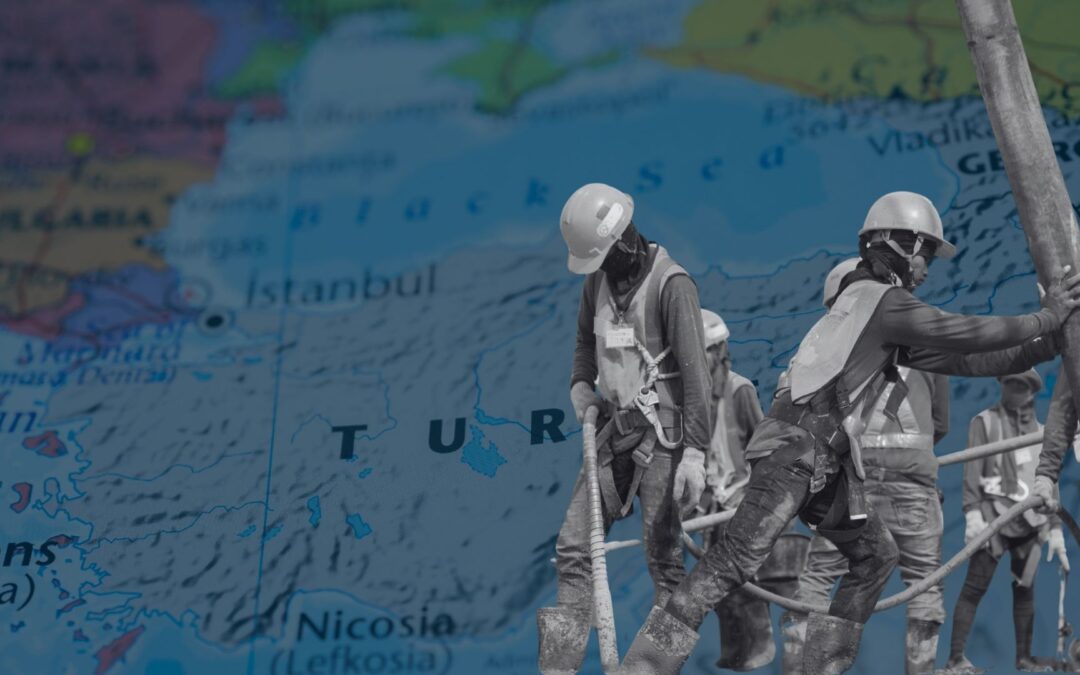
Turkey has increasingly emerged as a destination for Indonesian Migrant Workers (PMI), particularly in the hospitality and services sectors. Rising demand for foreign labor and relatively stable income prospects compared to several traditional destination countries have increased Turkey’s appeal among Indonesian job seekers. Official Turkish labour statistics indicate that approximately 8,930 Indonesian workers received new work permits in 2024, indicating that PMI presence in Turkey forms part of a growing formal labour migration corridor (Antara News, 2025).

Historically, Indonesian labor migration has concentrated on Malaysia, Saudi Arabia, Taiwan, Hong Kong, and Singapore (KP2MI, 2022). Recent changes in international labor market structures have contributed to the emergence of non-traditional destination countries, including Turkey (Cooper, 2014).

Behind this narrative lies the practice of dual employment contracts, referring to situations in which PMI sign employment contracts in Indonesian that are verified and recorded in SISKOP2MI ( Computerized System For Servicing and Protecting Indonesian Migrant Workers), but are subsequently presented with different contracts upon arrival. These revised contracts frequently alter wages, working hours, job descriptions, and labour rights, disadvantaging workers (Cooper, 2014).

The author’s internship experience at BP3MI Yogyakarta (Indonesian Migrant Worker Protection  Center) from September to November 2025 indicates that complaints related to dual contracts are not incidental. Several PMI recruited through official placement agencies reported discrepancies between contracts uploaded to SISKOP2MI and those enforced by employers in Turkey. This aligns with national data showing that BP2MI (Indonesian Migrant Workers Protection Agency) received 2,849 formal complaints from PMI throughout 2025 (Muhammad, 2025). BP2MI reports further identify contract violations as among the most frequently reported complaints (KP2MI, 2023).

International labour organization (ILO) literature identifies unilateral contract changes after arrival as a manifestation of power asymmetry faced by migrants workers, particularly in the absence of effective cross-border monitoring mechanism (ILO, 1996). Employment contracts are intended to function as legal protection instruments ensuring transparency, legal certainly, and informed consent form the pre- departure stage (ILO, 2010). When officially verified contracts can be altered after arrival, the protection promised by formal placement systems becomes largely illusory.

Accordingly, dual employment contracts affecting PMI in Turkey should be understood not merely as administrative violations, but as indicators of structural weaknesses in migrant worker placement governance, including inadequate oversights of placement agencies, limited agreements between Indonesian and Turkey (IOM, 2022).


Contract Mechanisms and the PMI Placement System

Within Indonesia’s legal PMI placement system, employment contracts constitute a fundamental document defining the rights and obligations of migrant workers. Initial contracts are prepared by destination-country placement companies affiliated with P3MI (Indonesian Migrant Worker Placement Company), then verified and uploaded to SISKOP2MI (Computerized System For Servicing and Protecting Indonesian Migrant Workers), a system managed by BP2MI to ensure contractual compliance prior to departure.

Contacts recorded in SISKOP2MI are expected to reflect actual working conditions in the destination country and serve as the basis for PMI protection during overseas employment. Contractual changes after PMI arrive constitute serious violations, as they potentially contravene protection principles stipulated in Law. No.18 of 2017 on the Protection of Indonesian Migrant Workers (Undang-Undang Pelindungan Pekerja Migran Indonesia, 2017).


Dual Contract Practices: From Contract A to Contract B

A commonly reported pattern involves PMI being recruited through official placement agencies, signing contracts recorded in SISKOP2MI (Contract A), and completing all pre-placement procedures in accordance with BP2MI regulations. Upon arrival in Turkey, some employers require PMI to sign revised contracts (Contract B), typically justified by references to local visa classifications, work permit arrangements, or firm-level compliance practices under Turkish labor regulations.

PMI who refuse these revisions perceive their rights as violated, as the contract approved prior to departure is understood to constitute the binding employment agreement. When PMI submit complaints from Turkey of return to Indonesian, BP2MI facilitates mediation between PMI and placements agencies. While agencies often argue that Contract B falls under the authority of partner companies in Turkey, placements agencies remain responsible for ensuring consistency between job orders, employment contracts, and placement agreements throughout the migration process (Undang-Undang Pelindungan Pekerja Migran Indonesia, 2017).


Analytical Question: Who Bears Responsibility?

Responsibility for dual contract practices can be examined through three perspectives.

First, placement agencies are legally obligated to ensure that job orders correspond to actual working conditions in destination countries. Systematic occurrences of dual contracts indicate shortcomings in verification and oversight. Observations during the author’s internship show that agencies involved are predominantly private placements agencies operating under government authorization. During mediation, agencies frequently adopt defensive positions, attributing contractual changes to Turkish partner companies, reflecting limited leverage due to their dependence on overseas partners for job orders and work permit arrangements, as well as the absence of effective legal resource and cross-border enforcement mechanisms (Undang-Undang Pelindungan Pekerja Migran Indonesia, 2017).

Second, partner companies in destination countries, in this case Turkey, contribute to dual contract practices by enforcing new contracts based on internal standards or local regulatory interpretations without honouring original agreements. Such practices contradict international principles of migrant worker protection emphasizing fair and transparent employment contracts    (ILO, 2025). Power asymmetries exacerbate this situation, as PMI often form lower-income backgrounds with limited access to legal assistance accept revised contracts to avoid risks such as job termination, loss of visa sponsorship, or irregular migration status.

Third, bilateral regulatory framework between Indonesia and Turkey remain insufficient. The absence of comprehensive bilateral agreements establishing minimum contract standards and monitoring mechanisms increases the risk of contracts violations and weakens migrant worker rights enforcements (IOM, 2022).


Impacts on PMI and the Credibility of Official Placement Systems

Dual contract practices directly affect PMI welfare and are not confined to Turkey alone. Discrepancies between initial contracts and actual working conditions frequently result in wage reductions, excessive working hours, and loss of basic labor rights, creating insecure employment environments(Safitri & Wibisono, 2023).  These findings align with ILO assessments identifying contract violations as a major factor increasing migrant worker vulnerability (ILO, 2025). Beyond individual-level impacts, dual contract practices undermine the credibility of official placement mechanism. When formal procedures fail to ensure contractual consistency and rights protection, public trust erodes, encouraging prospective workers to consider non-procedural pathways that entail significantly higher risks (IOM, 2022).

These conditions highlights structural weaknesses in labour migration governance, involving migration authorities, labour institution, and regulatory bodies with overlapping mandates (IOM UN Migration, 2024). Weak supervision, uneven standards enforcement, and limited cross-border coordination undermine worker protection. Inconsistent implementation of international standards further contributes to irregular migration, as formal procedures come to be perceived as administrative burdens rather than protection instruments (ILO, 2017).

Civil society organizations such as Migrant Care play a role in migrant worker advocacy, however, their engagement is not uniform across destination countries. In the Turkey context, no direct involvement of migrant care was observed within official placement mechanisms during the author’s internship, indicating that migrant worker protection remains primarily reliant on state institutions such as BP3MI.


Conclusion: The Need for Structural Reform

The Indonesian-Turkey case demonstrates that dual contract practices are not country-specific, but reflect broader structural weakness in labour migration governance that may also arise in other destination countries where recruitment is mediated by private actors and post-placement oversight remains limited. In this sense, the Turkey case illustrates governance risks shared across both traditional and emerging destinations.

Addressing these challenges requires clear state leadership in labour migration governance, with migration and labour authorities such as BP2MI, in coordination with labour ministries, playing a central role in standard setting, recruitment oversights, and cross-border monitoring. At the bilateral level, labour Memoranda of Understanding must be strengthened or transformation into enforceable arrangements, supported by joint monitoring mechanisms and accountability provisions. Without binding and enforceable MoUs, dual contract practices are likely to persist, undermining worker protection and the credibility of official placements systems.


References

Antara News. (2025). Indonesian worker placement in Turkey to focus on labor-intensive jobs. Antara News. https://en.antaranews.com/news/388097/indonesian-worker-placement-in-turkey-to-focus-on-labor-intensive-jobs

Cooper, R. N. (2014). Reviewed Work(s): The Price of Rights: Regulating International Labor Migration by MARTIN RUHS Review. Council on Foreign Relations, 93(1), 7–9.

ILO. (1996). Migration for Employment Convention. International Labour Organization. https://normlex.ilo.org/dyn/nrmlx_en/f?p=NORMLEXPUB:12100:0::NO::P12100_INSTRUMENT_ID:312242

ILO. (2010). International labour migration: A rights-based approach. Internasional Labour Organization.

ILO. (2017). Resolution concerning fair and effective labour migration governance (Issue June).

ILO. (2025). Protecting migrant workers from Forced Labour. In Internasional Labour Organization (Issue May).

IOM. (2022). GUIDANCE ON BILATERAL LABOUR MIGRATION AGREEMENTS. In United Nations Network on Migration (Issue February).

IOM UN Migration. (2024). WORLD MIGRATION REPORT 2024.

KP2MI. (2022). Data Penempatan dan Pelindungan. Kementrian Perlindungan Pekerja Migrant Indonesia.

KP2MI. (2023). Rekapitulasi Data Pengaduan Pekerja Migran Indonesia berdasarkan Ketegori Kasus. Kementrian Perlindungan Pekerja Migrant Indonesia.

Muhammad. (2025). Ada 2.849 Aduan Pekerja Migran Indonesia pada 2025, Ini Keluhannya. Databoks. https://databoks.katadata.co.id/ketenagakerjaan/statistik/69674595779f8/ada-2849-aduan-pekerja-migran-indonesia-pada-2025-ini-keluhannya

Safitri, D., & Wibisono, A. A. (2023). Keamanan manusia pekerja migran indonesia: ketidakamanan dan perlindungannya. Journal of Internasional Studies, 7(2), 741–769. https://doi.org/10.24198/intermestic.v7n2.17

Undang-Undang Pelindungan Pekerja Migran Indonesia (2017).

Algorithmic Blind Spots: Operational Risks of Gender Bias in Indonesia’s Defense AI

Algorithmic Blind Spots: Operational Risks of Gender Bias in Indonesia’s Defense AI

Vol. VII / No. 1 | February 2026

Authors:

Wendy Prajuli – Lecturer at the Department of International Relations, Binus University
Cynthia Sipahutar –
Lecturer at the Department of International Relations, Binus University, Doctoral Student in the Department of International Relations, Universitas Indonesia
Curie Maharani – 
Lecturer at the Department of International Relations, Binus University


Summary

Artificial intelligence (AI) is increasingly integrated into  military systems, reshaping defense architectures and operational practices worldwide.  The article argues that as Indonesia integrates Artificial Intelligence (AI) into its defense architecture—ranging from C4ISR systems to recruitment—it risks embedding significant gender biases. Drawing on global research from UNESCO and Berkeley Haas Center and an analysis of Indonesian policy documents (Stranas KA, Jakumhanneg), the authors contend that a “governance gap” exists. They warn that failing to address bias in datasets and algorithms could lead to operational failures (e.g., misidentifying female combatants) and normative harms (e.g., reinforcing militarized masculinity).

Keywords: Artificial Intelligence, AI Defense, Indonesia, Gender, Security.

Artificial intelligence (AI) is increasingly gaining traction as an integral component of contemporary human life, with applications ranging from ride-hailing and navigation services to facial recognition technologies. In the defense sector, AI has evolved from conceptual speculation to an operational reality, as evidenced by the progression of defense systems from C2 to C4ISR, C5ISR, and C6ISR architectures. The deployment of precision-guided munitions exemplifies the prominent use of AI-enabled capabilities.

The rapid expansion of AI in military applications has prompted many states, including Indonesia, to pursue the development and acquisition of AI-based defense systems. In Indonesia, research and development in this field have begun, but progress remains constrained by budgetary limitations and competing priorities. Despite the growing ubiquity of AI across multiple sectors, there is limited recognition that AI technologies are not inherently gender-neutral.

A growing body of scholarship demonstrates that AI systems can replicate and amplify gender biases because they are created, trained, and deployed by humans whose perspectives are shaped by prevailing cultural norms. How cultural norms amplify gender bias and gap in AI can be seen in research by Tunjungbiru, el.al. Their research shows that 74.24% of Indonesian women lack AI literacy, with 12.12% at the basic level and 13.64% at the advanced level, while among men, 60% lack AI literacy, 21.54% have basic AI literacy, and 18.46% have advanced AI literacy. Recognizing and addressing these biases is essential if Indonesia is to develop and adopt AI-based defense systems that are both operationally effective and socially equitable.


AI and Gender Bias: Evidence from Global Research

Evidence from global research underscores the persistence of gender bias in AI. A UNESCO study analyzing three AI-based applications, GPT, ChatGPT, and LLaMA, found that these systems tended to associate women with the domestic sphere, including home, family, children, and marriage, while linking men to business, executive leadership, careers, and salaries. The same study also revealed a negative bias toward homosexuality. Comparable findings emerged from research conducted by the Berkeley Haas Center for Equity, Gender & Leadership, which examined 133 AI systems across industries and found that 44 percent exhibited gender bias. In contrast, 25 percent demonstrated both gender and racial prejudice. According to UNESCO, gender bias in AI stems from three primary sources: bias in datasets, bias in algorithm selection, and bias in implementation. Dataset bias arises when training data lack variation and adequate representation. Algorithmic bias occurs when modeling processes fail to account for diversity. Implementation bias arises when AI systems are applied beyond their original context or adjusted in response to user feedback without accounting for demographic diversity.

The underrepresentation of women in AI development compounds these problems. Research by Interface indicates that women constitute only 22 percent of the global AI workforce, with even lower representation at senior levels. This lack of diversity not only limits perspectives in the design and deployment of AI systems but also perpetuates the risk of embedding existing social inequalities into technological systems.


Potential Gender Bias in Defense AI

In defense applications, gender bias can originate from both technological and normative sources. Technological and data-related biases arise when skewed datasets are used in AI training, resulting in algorithms that systematically disadvantage certain genders. Since humans are responsible for selecting and labeling training data, any pre-existing gender biases they hold can be reproduced in AI outputs. This can have significant implications, such as in AI-assisted military recruitment, where biased algorithms could reject non-male candidates by deeming them unfit based on gendered standards for height or physical composition. Such practices can significantly restrict women’s access to military careers. These risks are not hypothetical; the United Kingdom has already begun integrating AI into its military recruitment processes.

Operationally, biased algorithms may also jeopardize mission success. In reconnaissance-strike operations, for example, if AI systems are trained solely on male combatant profiles, they may fail to recognize female combatants deployed by an adversary. This could result in misclassification of threats, targeting errors, or mission failure.

Furthermore, military AI applications linked algorithmic (gender) bias to civilian suffering in war settings can escalate into acts of gender-based violence in conflict zones. Many AI-based target profiles portray men as violent, dangerous, and predatory, which contributed to this outcome. The AI military application design was based on the concept of militarized masculinity. The influence of such bias features in military AI creates status for cisgender men as undeserving of civilian status. In a larger sense, this assumption increases the danger of civilian injury from gender-based violence in conflict zones.

Hyper militarized masculinity culture in defense technology including in AI military application challenges the inclusivity and intersectionality of the AI technology development. Whereas ethical issues are essential in building a human centered and responsible AI weapons, male dominated engineers and military officers remain leading the armaments design and production process for the advantages of efficiency, speed and scale. Without inclusivity in AI military production and development, elite power also dominates the business and raises more discrimination, marginalization and exclusivity which can safeguard the bias and unethical uses of AI in military applications.

On the normative front, there is a notable absence of national or international regulations explicitly addressing gender bias in defense AI. While some states have endorsed initiatives such as the REAIM blueprint for responsible AI use in the military, these frameworks generally omit provisions to mitigate gender bias, particularly in the development and implementation of AI defense systems. For example, this initiative of the blueprint for responsible use of AI only generally acknowledges that all AI applications in the military “must be developed, deployed, and used in accordance with international law, including, as applicable, the UN Charter, international humanitarian law, international human rights law; and, as appropriate, other relevant legal frameworks, including regional instruments.” There is no specific mention of addressing gender bias in defense AI.

In some cases, states prefer the term “social bias” over “gender bias” in official documents, potentially obscuring the issue and reflecting the incomplete integration of gender norms into international governance of defense AI.


Indonesia’s Emerging Defense AI Capabilities and the Gender Bias Gap

Indonesia’s development of defense AI remains in its early stages but shows considerable potential. At present, its use is primarily confined to virtual reality and augmented reality applications in military training. The Indonesian Air Force (TNI AU) has announced plans to introduce AI-based airspace security systems by 2025, and AI has already been incorporated into exercises such as the 2024 Angkasa Yudha operation, which utilized AI in air communications. The Air Command and Staff College (Seskoau) has also sent officer cadets to China to study AI-based defense technologies.

The Indonesian Army (TNI AD) collaborated with a private defense company to develop an AI-enabled unmanned aerial vehicle (UAV). Meanwhile, the Navy (TNI AL) created an AI-powered data analytics tool called System Performance Readiness and Tactical Analysis (Spartan). Spartan helps detect unusual vessel traffic and activities, automates vessel tracking, and suggests possible actions based on real-time data from naval warships at sea.

At the strategic level, the Commander of the Indonesian Armed Forces has expressed intentions to adapt military doctrine to accommodate AI integration. AI is also being used for public relations and information dissemination, and plans are underway to implement AI in defense-related functions in the new capital city, Nusantara.

Despite these advancements, gender bias has yet to become a formal consideration in Indonesia’s defense AI development. Even the Stranas KA 2020-2024  (National Strategy of Indonesian Artificial Intelligence), a blueprint for Indonesia’s AI development, also does not address the importance of gender in AI development. The same applies to the two Indonesian defense documents, Jakumhanneg 2020-2024 (General National Defense Policy 2020-2024) and Jakgarahanneg 2020-2024 (National Defense Implementation Policy 2020-2024). Those documents also do not mention gender in AI defense development.

Where gender elements are present, they tend to be incidental, as in the case of Navy Second Lieutenant (E/W) Fitria Dwi Ratnasari’s involvement in the creation of Antasena, a maritime surveillance system. Without deliberate measures to address bias, Indonesia risks embedding gender inequalities into its defense AI systems, with potentially adverse consequences for both operational effectiveness and social inclusion.

Addressing this challenge requires sustained awareness that AI is neither value-free nor gender-neutral. It also demands integrating feminist perspectives into defense AI development, increasing gender diversity among the researchers and engineers responsible for such systems, and collecting more representative datasets that explicitly incorporate gender variables.

Moreover, the formulation of both national and international regulatory frameworks that explicitly prohibit gender bias in defense AI will be crucial to ensuring that Indonesia’s defense innovation trajectory aligns with the principles of equality, accountability, and responsible technological governance. Additionally, Indonesia’s early-stage AI-based defense development presents opportunities to design gender-sensitive systems from the outset, thereby establishing a strong foundation for future growth.


Reference

Antara News, TNI AU kembangkan teknologi pertahanan berbasis AI pada 2025. 2024, https://www.antaranews.com/berita/4524067/tni-au-kembangkan-teknologi-pertahanan-berbasis-ai-pada-2025

Antara News, Ratusan pasis Seskoau kunjungi China pelajari AI di bidang pertahanan. 2024, https://www.antaranews.com/berita/4260415/ratusan-pasis-seskoau-kunjungi-china-pelajari-ai-di-bidang-pertahanan

Borchert, Heiko., Schutz, Torben., dan Verboszky, Joseph. (2024) The Very Long Game: 25 Case Studies on the Global State of Defense AI, Springer.

Bimo, Emanuel Ario dan Jatmiko, Bagus. A Careful Walk on Thin Ice: Defence AI in Indonesia, DAIO Study 25/26. 2025, https://defenseai.eu/wp-content/uploads/2025/11/daio_study2531_a_careful_walk_on_thin_ice_emanuel_ario_bimo_bagus_jatmiko.pdf

BPPT, Strategi Nasional Kecerdasan Artifisial Indonesia 2020-2045. 2024, https://korika.id/document/strategi-nasional-kecerdasan-artifisial-indonesia-2020-2045/

Daniel, Brett. C2 vs. C4ISR vs. C5ISR vs. C6ISR: What’s the Difference?. 2016, https://www.trentonsystems.com/en-us/resource-hub/blog/c2-c4isr-c5isr-c6isr-differences#:~:text=Essentially%2C%20the%20only%20real%20difference,respectively%2C%20to%20the%20C2%20framework.

Detik News, TNI AD Kini Punya Presenter Berita Kowad AI. 2024, https://news.detik.com/berita/d-7176682/tni-ad-kini-punya-presenter-berita-kowad-ai.

Haas Berkeley, Mitigating Bias in Artificial Intelligence. 2020, https://haas.berkeley.edu/wp-content/uploads/UCB_Playbook_R10_V2_spreads2.pdf

Indonesia Defense, Kemhan Pertimbangkan Integrasi Penggunaan AI untuk Kekuatan Alutsista. 2024, https://indonesiadefense.com/kemhan-pertimbangkan-integrasi-penggunaan-ai-untuk-kekuatan-alutsista/

Interface, AI’s Missing Link: The Gender Gap in the Talent Pool. 2024, https://www.interface-eu.org/publications/ai-gender-gap

Mohan, Shimona., Filling the Blanks: Putting Gender into Military A.I. 2023, http://orfonline.org/research/filling-the-blanks-putting-gender-into-military-a-i

Payne, K. (2018). Artificial Intelligence: A Revolution in Strategic Affairs? Survival, 60(5), 7–32. https://doi.org/10.1080/00396338.2018.1518374

Provan, Anna., Militarising Artificial Intelligence: A Feminist Analysis of Algorithmic Warfare, Robert Bosch Stiftung: The Centre for Feminist Foreign Policy. 2025, https://centreforfeministforeignpolicy.org/wordpress/wp-content/uploads/2025/06/CFFP_PolicyBrief_MilitaryAIBriefing.pdf

REAIM Blue Print of Action. 2024, https://www.mofa.go.kr/www/brd/m_4080/down.do?brd_id=235&seq=375378&data_tp=A&file_seq=9.

RRI, TNI AL Ciptakan Aplikasi Pemantau Bawah Laut “Antasena”.2023, https://rri.co.id/iptek/389176/tni-al-ciptakan-aplikasi-pemantau-bawah-laut-antasena

The Telegraph, Army uses AI to speed up recruitment as staffing crisis bites. 2024, https://www.telegraph.co.uk/news/2024/02/18/army-ai-speed-up-recruitment/#:~:text=Army%20recruiters%20are%20using%20artificial,records%20provided%20alongside%20their%20application.

Tunjungbiru, A. D., Pranggono, B., Sari, R. F., Sanchez-Velazquez, E., Purnamasari, P. D., Liliana, D. Y., & Andryani, N. A. C. (2025). AI Literacy and Gender Bias: Comparative Perspectives from the UK and Indonesia. Education Sciences, 15(9), 1143. https://doi.org/10.3390/educsci15091143.

UNESCO, Generative AI: UNESCO study reveals alarming evidence of regressive gender stereotypes. 2024, https://www.unesco.org/en/articles/generative-ai-unesco-study-reveals-alarming-evidence-regressive-gender-stereotypes

Southeast Asia Youth Forum on Consumer Protection 2026: Mendorong Kepemimpinan Muda ASEAN dalam Perlindungan Konsumen Digital

Southeast Asia Youth Forum on Consumer Protection 2026: Mendorong Kepemimpinan Muda ASEAN dalam Perlindungan Konsumen Digital

Depok, Februari 2026 — Departemen Ilmu Hubungan Internasional FISIP Universitas Indonesia menjadi tuan rumah Southeast Asia Youth Forum on Consumer Protection 2026, sebuah forum regional yang mempertemukan 36 delegasi muda dari 10 negara ASEAN untuk membahas tantangan dan masa depan perlindungan konsumen di era ekonomi digital.

Forum ini merupakan bagian dari proyek PROTECT II yang diimplementasikan oleh Deutsche Gesellschaft für Internationale Zusammenarbeit (GIZ) atas mandat German Federal Ministry for Economic Cooperation and Development. Kegiatan ini dirancang untuk memperkuat literasi konsumen, meningkatkan kesadaran terhadap risiko transaksi lintas batas, serta mendorong partisipasi aktif generasi muda dalam agenda perlindungan konsumen ASEAN.

Menjawab Tantangan Ekonomi Digital ASEAN

Transformasi digital di kawasan ASEAN membawa peluang besar sekaligus risiko baru bagi konsumen, mulai dari praktik manipulatif (dark patterns), penipuan daring lintas negara, hingga rendahnya pemahaman mekanisme pengaduan regional.

Data ASEAN Consumer Empowerment Index menunjukkan tingkat pemberdayaan konsumen di kawasan masih berada pada kategori moderat, menandakan perlunya penguatan literasi dan partisipasi publik dalam sistem perlindungan konsumen.

Melalui forum ini, para peserta mendalami isu-isu strategis seperti:

  • Perlindungan konsumen dalam ekonomi digital

  • Literasi keuangan dan risiko fintech

  • Mekanisme pengaduan lintas batas di ASEAN

  • Koordinasi regional dalam kerangka ASEAN Economic Community

Diskusi tidak berhenti pada tataran konseptual. Peserta juga merancang kampanye kesadaran publik yang akan diimplementasikan di negara masing-masing sebagai tindak lanjut konkret forum.

Menghubungkan Pemuda dengan Arsitektur Kebijakan ASEAN

Sebagai bagian dari rangkaian kegiatan, peserta melakukan kunjungan ke ASEAN Secretariat untuk memahami secara langsung dinamika kerja sama regional dan agenda perlindungan konsumen dalam kerangka ASEAN.

Kunjungan ini memperlihatkan bahwa regulasi regional bukan sekadar dokumen kebijakan, melainkan hasil koordinasi dan komitmen bersama negara-negara anggota untuk membangun kepercayaan pasar yang adil dan inklusif.

Forum ini juga mendorong keterlibatan pemuda dalam ASEAN Consumer Association Network (ACAN), memperkuat jejaring advokasi dan kolaborasi lintas negara.

Membangun Ekosistem Pasar yang Adil dan Inklusif

Southeast Asia Youth Forum on Consumer Protection 2026 menegaskan bahwa perlindungan konsumen bukan semata isu hukum, tetapi juga isu literasi, partisipasi, dan solidaritas regional.

Dengan mempertemukan generasi muda dari berbagai latar belakang, forum ini menciptakan ruang dialog sekaligus laboratorium kepemimpinan regional — tempat gagasan, pengalaman, dan aspirasi bertemu untuk membangun masa depan ekonomi ASEAN yang lebih transparan dan berkeadilan.

Melalui inisiatif ini, Departemen Ilmu Hubungan Internasional FISIP UI kembali menegaskan komitmennya dalam memperkuat kerja sama regional berbasis pengetahuan, dialog, dan pemberdayaan generasi muda.

Dialog Keamanan Asia Tenggara–Jepang: Tegaskan Pencarian Titik Temu Kawasan di Tengah Persaingan Negara-Negara Besar

Dialog Keamanan Asia Tenggara–Jepang: Tegaskan Pencarian Titik Temu Kawasan di Tengah Persaingan Negara-Negara Besar

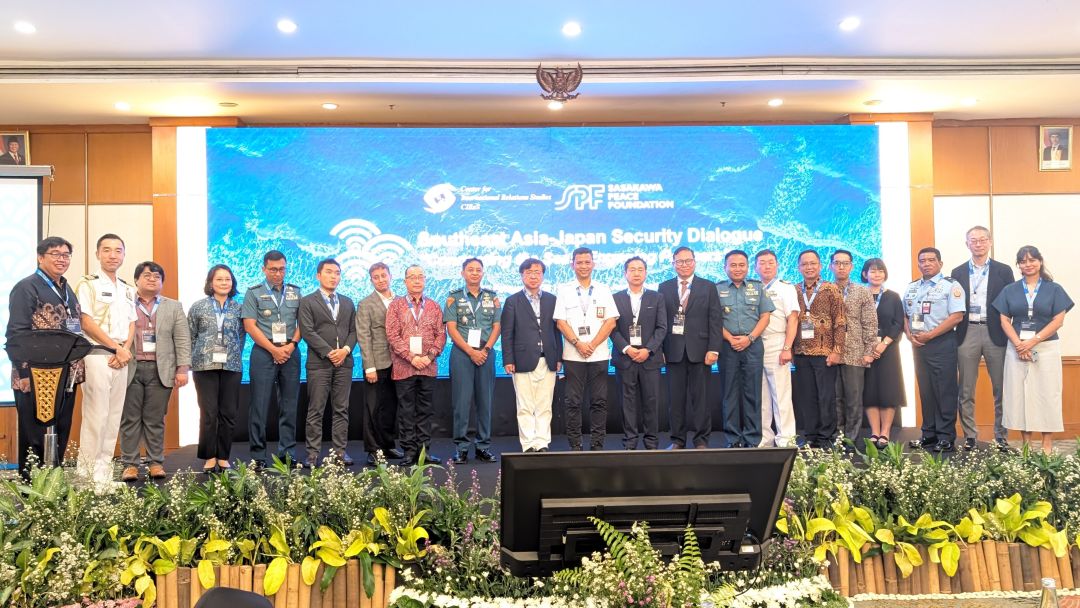
Jakarta, 9–10 Februari 2026 – Dialog Keamanan Asia Tenggara–Jepang yang diselenggarakan di Jakarta oleh CIReS Universitas Indonesia bekerja sama dengan Sasakawa Peace Foundation (SPF) mempertemukan pemangku kepentingan dari Asia Tenggara dan Jepang, meliputi unsur pemerintah, akademisi, think tank, komunitas kebijakan, dari ranah militer dan sipil dari Jepang, Indonesia, Singapura, Filipina, dan Vietnam. Dialog ini dirancang sebagai ruang bersama untuk mencari titik temu dan memperkuat kerja sama di tengah meningkatnya persaingan negara-negara besar di kawasan Asia Pasifik. 

Pada pidato pembukaan, Yasuhiro Kawakami, Direktur Unit Studi Keamanan dan Jepang–Amerika Serikat, SPF, menyampaikan bahwa “dialog ini bertujuan menghubungkan perspektif kebijakan tingkat tinggi dengan keahlian khusus para analis keamanan dari masing-masing negara, guna memperdalam pemahaman bersama mengenai isu-isu keamanan kawasan.”

Dialog kemudian dilanjutkan dengan pidato kunci dan diskusi pleno. Amarulla Octavian, Wakil Kepala BRIN, dalam pidato kuncinya menekankan urgensi tanggung jawab bersama dengan menyatakan bahwa “menghadapi tatanan dunia yang baru, kekuatan dan ketahanan ASEAN bertumpu pada penguatan persatuan, sentralitas kawasan, serta ketahanan domestik untuk menghadapi ketidakpastian geopolitik dan ekonomi global.” Senada dengan itu, Ipung Purwadi, Deputi Bidang Kajian Strategis Lemhannas RI, merumuskan arah sikap kawasan secara ringkas melalui pernyataan “Bridge, Not Battleground.” Kedua pesan ini menegaskan fondasi dialog: menjaga stabilitas kawasan melalui tanggung jawab kolektif dan pilihan strategis untuk menjadi penghubung, bukan arena pertarungan.

Sesi pleno membahas dua isu utama keamanan kawasan Indo-Pasifik. Sesi Pleno pertama bertema Integrated Maritime Security: Naval Cooperation and Joint Force Engagement in the Indo-Pacific, dimoderatori Vahd Nabyl Achmad Mulachela, Kepala Pusat Strategi Kebijakan Asia Pasifik dan Afrika, BSKLN Kementerian Luar Negeri RI, serta menghadirkan Laksda TNI Antonius Widyoutomo, Tenaga Ahli Tingkat III KSAL Bidang Diplomasi, Hubungan Internasional, Hukum, dan Intelijen, dan Koji Yamazaki, Mantan Kepala Staf Japan Self-Defense Forces. Benang merah sesi ini adalah bahwa keamanan maritim Indo-Pasifik hanya dapat dijaga melalui kerja sama angkatan laut yang terintegrasi, berbasis hukum internasional, serta diperkuat kepercayaan, berbagi informasi, dan interoperabilitas.

Sesi Pleno kedua bertema U.S. Retrenchment in Asia? Strategic Coordination Among Asia’s Middle Powers, dimoderatori Edy Prasetyono, Pengajar Departemen Hubungan Internasional Universitas Indonesia dan Ahli Geopolitik serta Wawasan Nusantara Lemhannas RI, dengan pembicara Andi Widjajanto, Penasihat Senior LAB45, dan Nobukatsu Kanehara, Direktur Eksekutif SPF. Sesi ini menunjukkan kesepakatan bahwa di tengah rivalitas kekuatan besar, stabilitas kawasan bergantung pada koordinasi strategis negara-negara kekuatan menengah untuk menjaga otonomi dan memperkuat tatanan berbasis aturan.

Dialog dilanjutkan dengan diskusi panel yang menghadirkan pembicara dan moderator dari Indonesia, Jepang, Filipina, Singapura, dan Vietnam, yang berasal dari kalangan militer, pembuat kebijakan internasional dan pertahanan, akademisi, serta think tank. Seluruh sesi diskusi panel diselenggarakan dengan prinsip Chatham House Rule untuk memastikan pertukaran pandangan dan gagasan berlangsung secara terbuka dan konstruktif. 

Secara intelektual, dialog ini digagas dan dirancang oleh Broto Wardoyo, Dosen dan Ketua Departemen Hubungan Internasional Universitas Indonesia, sebagai peneliti utama dalam riset bersama CIReS–SPF mengenai kebijakan keamanan Jepang dalam perspektif Indonesia dan Asia Tenggara. Dalam pandangannya, dialog strategis yang berkelanjutan merupakan instrumen penting untuk membangun kepercayaan dan mengelola perbedaan kepentingan di tengah kompetisi kekuatan besar. Pada sesi penutup, ia mengusulkan agar forum ini dilanjutkan secara reguler dengan nama “The Sudirman Dialogue.” 

Makna simbolik lokasi dialog juga diangkat dengan merujuk pada sosok Jenderal Sudirman, yang merepresentasikan perjuangan kedaulatan, kepemimpinan, dan tanggung jawab moral. Refleksi ini mengaitkan sejarah Indonesia–Jepang yang kompleks dengan pilihan bersama untuk membangun kemitraan yang lebih baik dan berorientasi ke masa depan. Usulan untuk melanjutkan forum ini sebagai The Sudirman Dialogue mencerminkan komitmen bersama untuk menginstitusionalisasikan dialog keamanan yang terbuka dan inklusif antara Asia Tenggara dan Jepang, sekaligus memperkuat kepercayaan strategis serta stabilitas dan kemakmuran jangka panjang kawasan Asia Pasifik.  

Accessibility